


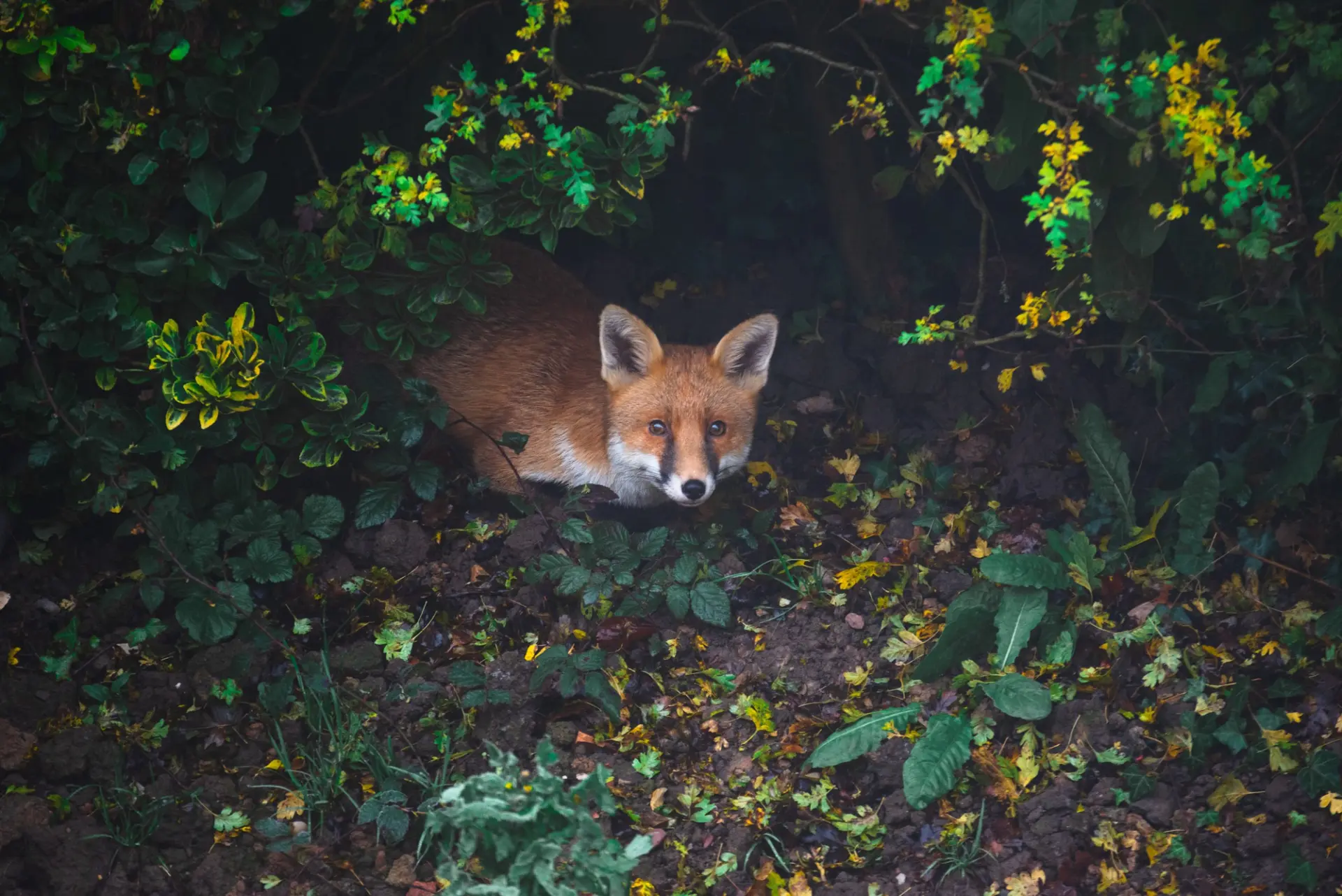
Fox Control in Hampshire
If foxes are causing problems around your property, Pest Control Hampshire provides practical fox control and deterrence across Portsmouth, Southampton, Basingstoke, Hampshire and Surrey.
Foxes can be a nuisance in towns, villages, rural sites and commercial premises, causing night-time noise, digging, fouling, bin raids and risk to pets or livestock. We assess activity, access points, food sources and shelter before recommending control or prevention measures.
Our Pest Control Services in Hampshire
Our local team provides practical pest control for domestic and commercial properties across Hampshire and Surrey, with treatment options for common infestations and nuisance pests.





Fast Local Response
Emergency appointments across Hampshire and Surrey.
Fox Problem Treatment and Prevention
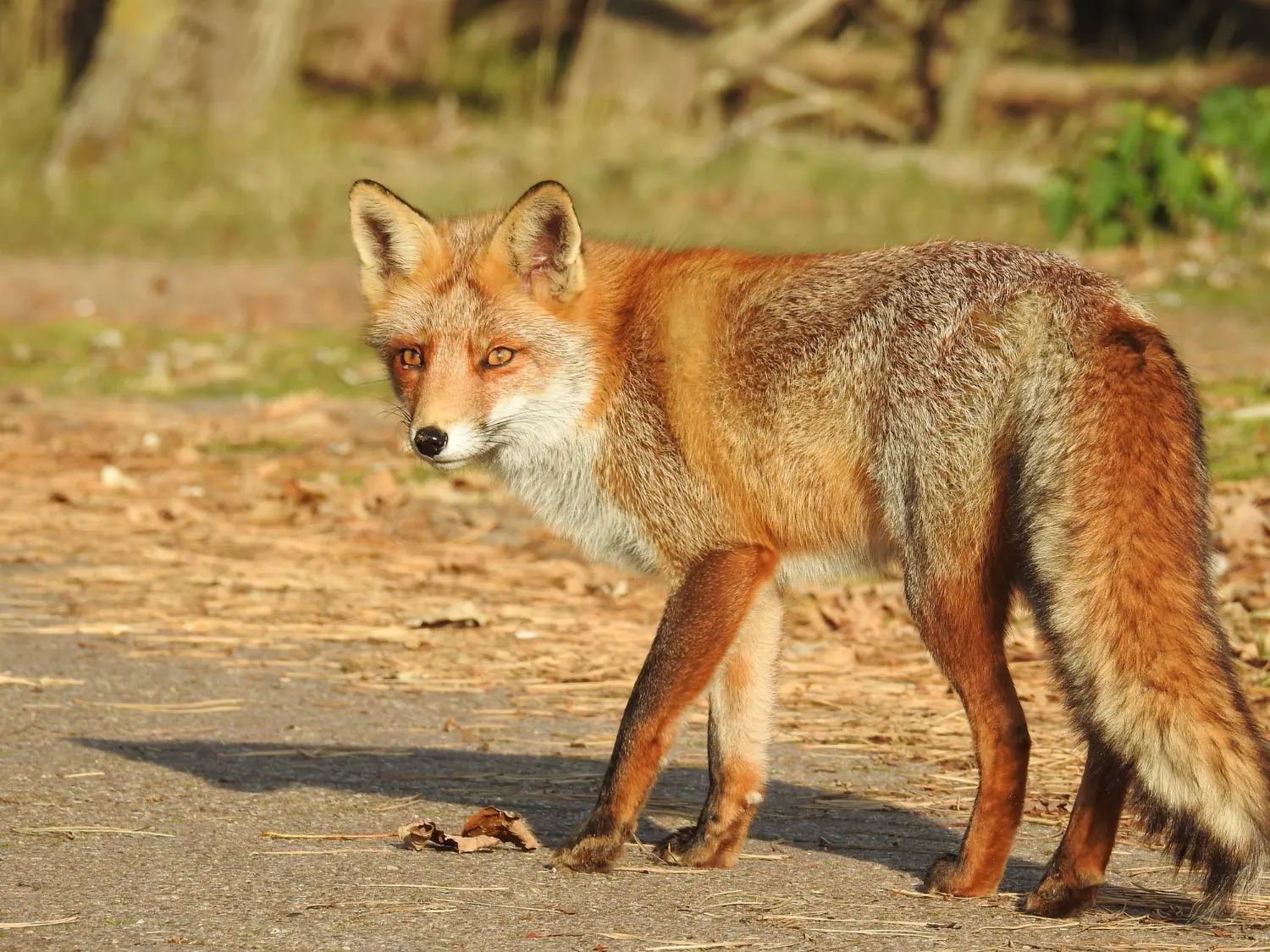
Foxes are intelligent and adaptable. Once established, they can become persistent nuisances that cause a range of problems for households and businesses across Hampshire.

Noise and Disturbance
Foxes are noisiest during the breeding season from January to March, producing screaming calls at night that can severely disrupt sleep.
Cubs become active from April, creating further noise and disruption throughout spring and summer.

Fouling and Odour
Fox faeces and urine have a strong, distinctive odour and are used to mark territory.
Fouling on lawns, patios, children's play areas and decking is both unpleasant and a potential health concern, particularly for households with young children.

Digging and Damage
Foxes dig beneath sheds, decking and garden structures to create dens, causing structural damage.
They also raid vegetable patches, compost heaps and bins, scattering waste and destroying plants and garden features.

Livestock and Poultry Risk
Foxes pose a serious threat to chickens, ducks, rabbits and other kept animals, and will return repeatedly to areas where livestock is accessible.
Secure housing, proper fencing and professional exclusion measures are essential for smallholdings and properties with livestock.

Professional Fox Control Services
Our pest controllers assess fox activity at your property and recommend appropriate legal control, deterrence or exclusion methods.
We advise on reducing food sources, securing bins, blocking den access points and making gardens, yards or livestock areas less attractive to foxes.
We support domestic and commercial properties, farms and smallholdings across Hampshire and Surrey, including out-of-hours fox pest control where livestock is at risk.

Qualified Pest Controllers
Professional inspection, treatment and prevention on every job.
Fox Proofing and Prevention Plan
Fox control work combines legal advice, exclusion and practical changes that make the site less attractive.
 Assess
Fox Activity Survey
We look for runs, fouling points, food sources, access beneath structures and signs through hedges or across lawns.
 Exclude
Fox Exclusion Advice
We advise on safe exclusion from sheds, decking, livestock areas and garden gaps.
 Remove
Fox Attractant Reduction
Securing bins, feed stores and waste areas reduces the reason foxes return.
 Deter
Deter
Fox Deterrent Plan
We recommend legal deterrents and maintenance steps for longer-term fox control.
Fox Control FAQs
Quick answers to the questions we hear most often about fox problems and control methods.
Is it legal to remove or kill foxes?
Foxes are not protected under the Wildlife and Countryside Act 1981, but certain methods of control are regulated or prohibited under the Wild Mammals (Protection) Act 1996 and the Hunting Act 2004. Our team only uses legal methods and will advise on the appropriate approach for your specific situation.
Can I relocate foxes myself?
Relocating foxes is not recommended and is difficult to carry out effectively without professional equipment and knowledge. Relocated foxes often travel significant distances back to their territory. In most cases, exclusion and deterrence are more effective long-term solutions than relocation.
Will foxes attack people or pets?
Healthy foxes are generally wary of people and will avoid direct contact. However, they can injure small pets, poultry and rabbits. In rare cases, urban foxes that have been hand-fed may become bold around people. If a fox appears disoriented, is active during the day or shows no fear of people, contact us promptly.
How do I stop foxes coming into my garden?
The most effective deterrents are removing food sources, securing bins, blocking den access and using motion-activated sprinkler systems or legal repellents. Physical exclusion by securing fencing and blocking access points beneath structures is the most reliable long-term method.
How much does fox control cost?
Pricing depends on the extent of the problem, the methods required and the size of the property or land affected. Call 07973 700 006 or send an enquiry for a free quote.
Book Fox Control in Hampshire
Call for professional fox control across Hampshire, or send an enquiry and we will get back to you promptly.

Fast, professional pest control for homes and businesses across Hampshire and Surrey.
© 2026 Pest Control Hampshire. All rights reserved.